
Description
Clary Sage Tea – aromatic, spicy and versatile
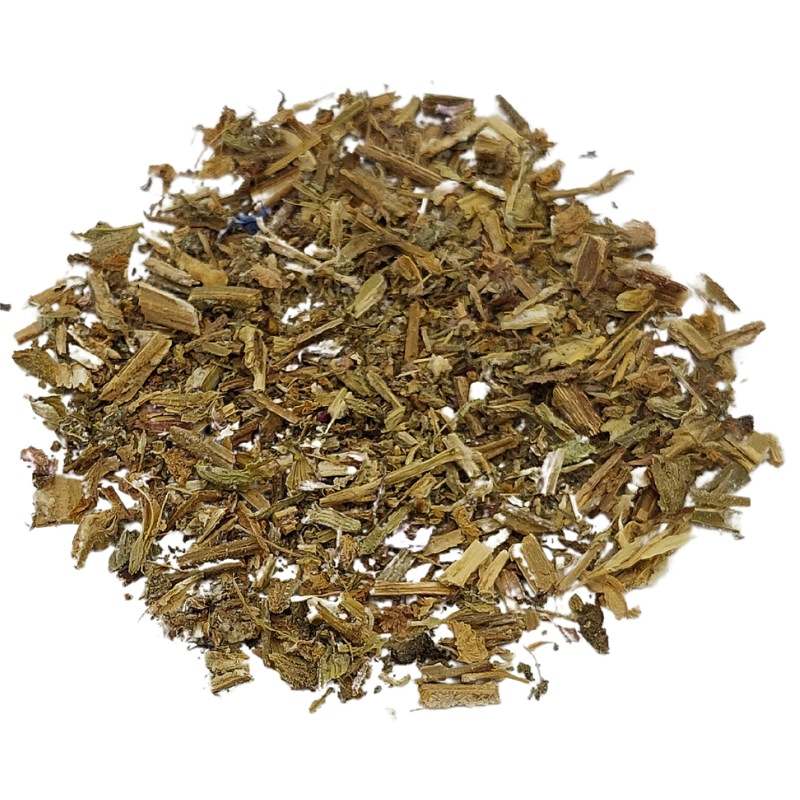
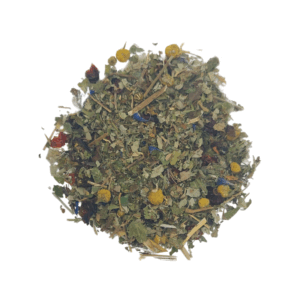
Clary sage, known by its Latin name Salvia sclarea, is an aromatic herb with a distinctive, slightly nutmeg-like scent. As clary sage tea, it offers a spicy, herbal and gently floral aroma – ideal if you enjoy discovering special herbal teas with character. The name “clary sage” refers to the plant’s characteristic aromatic profile. Compared to classic sage, clary sage has a softer, more floral taste and brings a unique note to your cup.
How to prepare clary sage tea
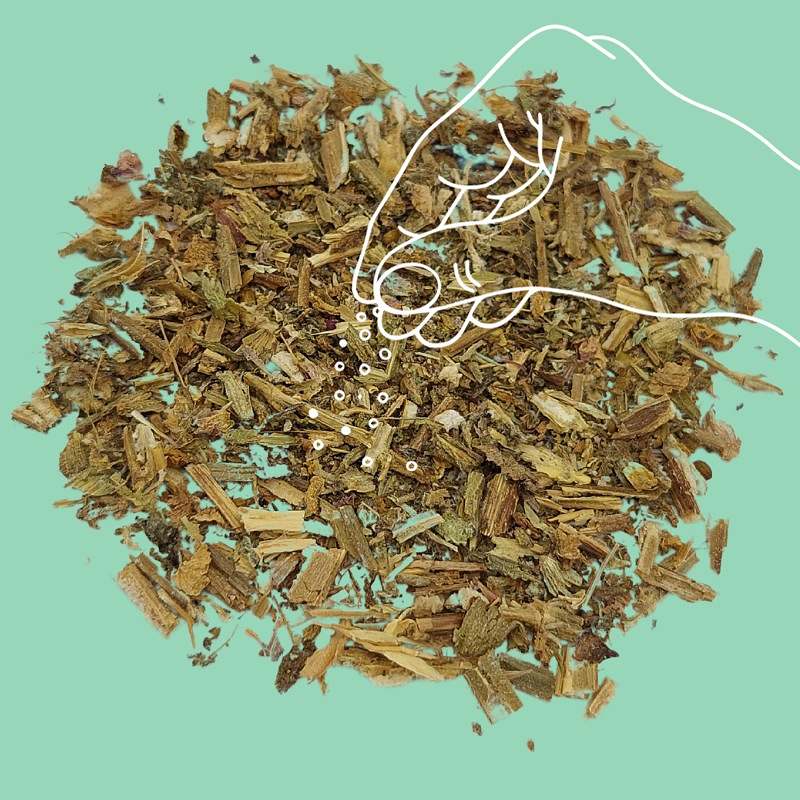
To prepare clary sage tea, use one teaspoon of dried leaves per cup. Pour hot water over the leaves and let the tea steep for around 5 minutes. Then strain and enjoy. The infusion has a mild, spicy and herbal taste with a slightly floral note. You can adjust the steeping time or use a little less tea depending on how intense you like your cup.
What does clary sage tea taste like?
Clary sage tea tastes aromatic, spicy, herbal and gently tart. Its fine nutmeg-like note makes this herbal tea especially interesting – whether enjoyed on its own or used as part of your own tea blends. Compared to classic sage tea, clary sage feels a little softer and more floral. This makes it a lovely ingredient for creative herbal tea blends with blossoms, mild herbs or fruity ingredients.
Clary sage uses
Clary sage is a versatile herb. At teasense.ch, the focus is clearly on tea, but this aromatic herb can also be used in the kitchen or for your own blends.
Clary sage as tea and in tea blends
You can enjoy clary sage on its own as an herbal tea. It is also an exciting aromatic ingredient for your own herbal tea blends. Even a small amount can add a spicy, gently floral note to a blend. Clary sage pairs well with mild herbs, blossoms and fruity ingredients. You can combine it, for example, with linden blossoms, mallow flowers, apple pieces or lemon verbena.
Clary sage in the kitchen
Clary sage can also be used in the kitchen. Its spicy aroma works well in soups, sauces, stews, vegetable dishes and risotto. It can also add a special flavour to bread or savoury baked goods.
Scented sachets and potpourris
The dried leaves of clary sage can also be used for scented sachets or potpourris. Combined with flower petals, cinnamon pieces or dried citrus peel, they create an aromatic mix for decorative use.
Recipe: Pumpkin risotto with clary sage
With its spicy note, clary sage pairs beautifully with pumpkin. This pumpkin risotto is a simple way to try clary sage in the kitchen. Ingredients:
- 1 cup risotto rice
- 1 small onion, finely chopped
- 2 garlic cloves, finely chopped
- 2 cups diced pumpkin or 1/2 cup pumpkin powder
- 4 cups vegetable stock
- 1/2 cup dry white wine, optional
- 2 teaspoons dried clary sage
- 2 tablespoons olive oil
- Vegan parmesan or nutritional yeast for garnish, optional
Preparation:
- Heat the olive oil in a pot and sauté the onion and garlic until translucent.
- Add the risotto rice and toast it for about two minutes until it turns slightly glossy.
- Pour in the white wine and stir until it has almost completely reduced.
- Add the vegetable stock gradually, about half a cup at a time, stirring regularly.
- Let the risotto simmer for around 20 minutes until the rice is creamy and al dente.
- Meanwhile, fry the pumpkin in a separate pan with a little olive oil until soft and lightly golden.
- Add the fried pumpkin and dried clary sage to the risotto and mix well.
- Serve on plates and garnish with vegan parmesan or nutritional yeast if you like.
You can also vary the risotto with other seasonal vegetables.
Reviews
There are no reviews yet.