
Tea Guide – Useful Information About Tea
What is tea?
The tea plant, infusions and variety in your cup
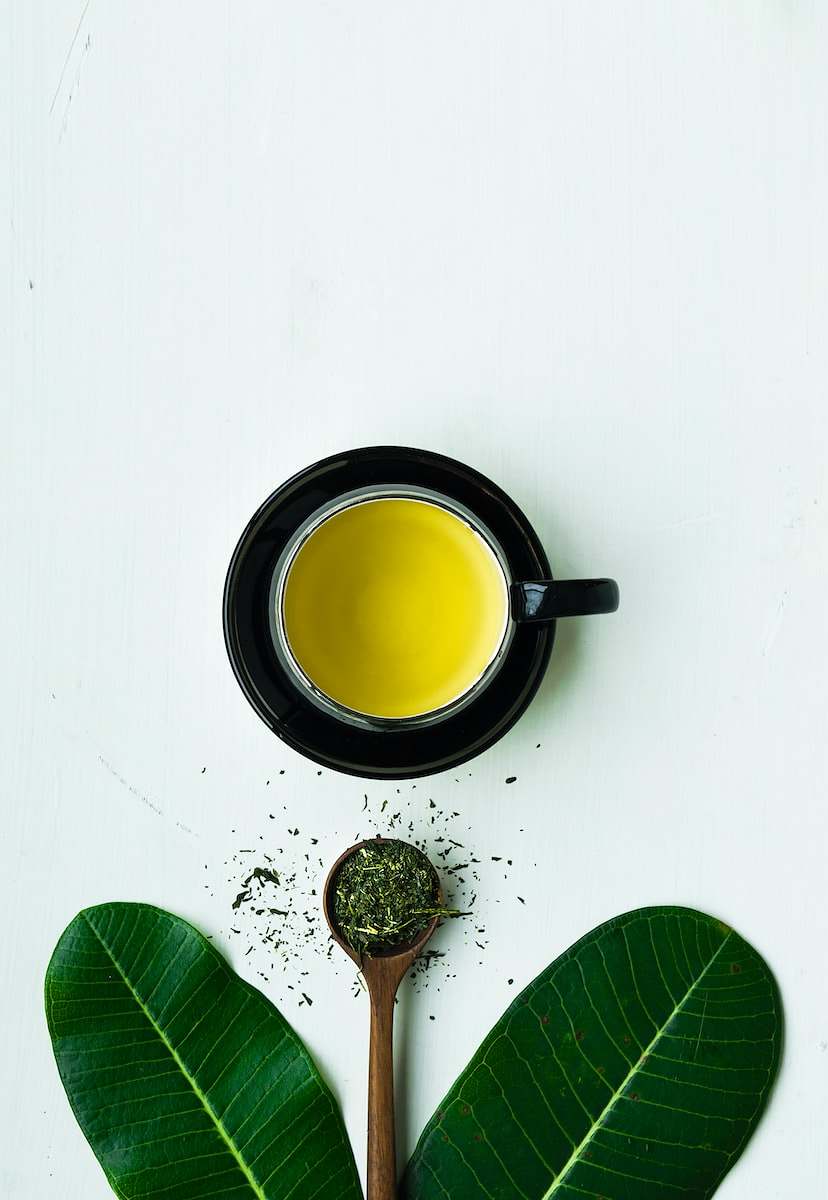
Strictly speaking, tea is an infusion made from the leaves of the Camellia sinensis tea plant. Depending on the processing method, these leaves become white tea, green tea, Oolong, black tea or Pu-Erh Tea.
Although these varieties come from the same plant, they can differ considerably in colour, aroma and flavour. The selected leaves, processing method and level of oxidation all influence the final cup.
In everyday language, infusions made from herbs, fruits, flowers or spices are also called tea. These include Herbal Tea, Fruit Tea and Chai. They usually contain no leaves from the traditional tea plant but offer just as much variety in flavour.
At TeaSense, you will find classic tea varieties, aromatic blends, individual ingredients and practical Tea Accessories. This allows you to explore new teas or choose products that match your preferred flavour.
Tea types at a glance
Tea is not simply tea. The selection ranges from classic varieties made from the tea plant to blends with herbs, fruits, flowers and spices. Different ingredients and processing methods create a wide range of colours, aromas and flavours. The following overview introduces the main categories and links directly to the relevant products.
These varieties are made from the leaves of the Camellia sinensis tea plant. Different processing methods create distinctive colours and flavour profiles.
- White Tea
- Green Tea
- Oolong Tea
- Black Tea
- Pu-Erh Tea
Herbal and floral infusions are not made from the traditional tea plant. Depending on the blend, they can taste fresh, spicy, mild, floral or delicately aromatic.
Fruit teas contain dried fruits and may also include herbs, spices or flowers. Depending on the blend, they can taste fruity, sweet, tangy or warmly spiced.
Rooibos and Honeybush originate from South Africa. Depending on the variety, they taste mild, smooth, slightly sweet or aromatic and are naturally caffeine-free.
Spiced blends may contain cinnamon, cardamom, ginger, cloves or anise. Some combine spices with black tea, rooibos, mate or herbs.
Matcha is finely ground Japanese green tea. You will also find drink powders for lattes, smoothies and other beverages.
Common questions about tea

Does tea contain caffeine?
Whether an infusion contains caffeine depends on its ingredients. Classic teas made from Camellia sinensis naturally contain caffeine. These include Black Tea, Green Tea, Oolong, White Tea and Pu-Erh Tea.
Matcha also contains caffeine because the finely ground tea leaf is consumed completely. The exact amount varies depending on the variety, dosage, water temperature and preparation.
Herbal Tea, Fruit Tea, Rooibos and Honeybush are generally caffeine-free unless the blend contains ingredients such as mate, green tea or black tea.
How should tea be prepared?
The ideal preparation depends on the type of tea. Water temperature, dosage and steeping time all influence the flavour.
- Black Tea: approximately 90–100 °C, 3–5 minutes
- Green Tea: approximately 70–85 °C, 2–3 minutes
- White Tea: approximately 75–85 °C, 2–5 minutes
- Oolong: approximately 80–95 °C, 2–5 minutes
- Herbal Tea: approximately 100 °C, 5–10 minutes
- Fruit Tea: approximately 100 °C, 5–10 minutes
- Rooibos and Honeybush: approximately 100 °C, 5–8 minutes
The exact recommendation may vary from one product to another. Therefore, always check the preparation instructions on the respective product page.
How much loose tea do I need per cup?
As a general guideline, use approximately 2 g of loose tea per 200 ml of water. Large-leaf teas, light herbal blends or fruit teas may require a slightly larger amount.
For a milder cup, use a little less tea or shorten the steeping time. For a stronger flavour, increase the dosage slightly. A Tea Spoon or measuring spoon can make portioning easier.
How should loose tea be stored?
Loose tea should be stored in a dry, cool and dark place. A tightly closing tea tin or another odour-neutral container is ideal.
Strong smells, moisture, heat and direct sunlight can affect the aroma. Tea should therefore not be stored openly next to spices, coffee or other strongly scented foods.
Can tea be infused more than once?
Some tea varieties are well suited to several infusions. These include many green teas, Oolong teas, Pu-Erh teas and selected white teas.
You can adjust the steeping time for each additional infusion. The flavour may develop differently from cup to cup and reveal new nuances. Fruit teas and many herbal blends are generally infused only once.
Can tea be prepared cold?
Many teas can be brewed hot, allowed to cool and served as iced tea. For this method, prepare the tea slightly stronger, let it cool and serve it with ice cubes.
For direct preparation with cold water, choose blends specifically intended for this method. You will find suitable products in our Cold Brew Tea category.
Do you have another question about tea?
Contact us at heidi@teasense.ch. We will be happy to help with questions about varieties, preparation or choosing the right tea.